
Selling a house after a family member passes away can feel overwhelming. In addition to dealing with the loss, the executor or administrator may have to handle court filings, personal belongings, property maintenance, repairs and decisions involving multiple heirs.
The process can become even more difficult when the person responsible for the estate lives outside the Sacramento area.
The good news is that a probate property does not always have to be repaired, emptied or traditionally listed before it can be sold. Depending on the authority granted to the personal representative and the needs of the estate, the property may be sold as-is.
I have been involved in Sacramento-area real estate for decades and have purchased homes directly from estates. One example was a probate property on 61st Street in Sacramento that I purchased for $266,000—the full value established by the probate referee’s appraisal.
The executor lived outside California, her sister had occupied the house, and a large amount of furniture, personal property and junk remained inside. I did not ask the executor to lower the price because of the property’s condition. The family did not have to make repairs, clean the house or remove the unwanted belongings. I handled the cleanout after the sale.
That experience demonstrates one way an executor can simplify the sale of a Sacramento probate property.
How to Sell a House in Probate in Sacramento, California
Probate is the court-supervised process used to administer a deceased person’s estate. The process can include:
- Determining whether there is a valid will
- Appointing an executor or administrator
- Identifying and appraising estate assets
- Paying valid debts and expenses
- Selling property when appropriate
- Distributing the remaining assets to the beneficiaries
The person appointed to manage the estate is generally called the personal representative. When the person is named in a will, that person is commonly called the executor. When there is no will or no available executor, the court may appoint an administrator.
Sacramento County probate cases are handled through the Sacramento County Superior Court. The court can issue documents called Letters Testamentary or Letters of Administration that establish the personal representative’s authority to act for the estate.
Not every property must go through a full probate proceeding. Property held in a living trust, owned with certain survivorship rights or qualifying for a simplified estate procedure may be handled differently. An executor or heir should speak with a California probate attorney before deciding which procedure applies.
Can an Executor Sell a House During Probate?
A personal representative can generally sell estate property when the sale is permitted by the court and California probate law. A sale might be necessary to:
- Pay estate debts or expenses
- Pay taxes
- Divide the estate among multiple beneficiaries
- Prevent the property from deteriorating
- Eliminate mortgage, insurance and maintenance costs
- Complete the administration of the estate
The exact procedure depends partly on the authority granted to the personal representative.
California’s Independent Administration of Estates Act, commonly called IAEA, may allow a personal representative to complete certain transactions without obtaining advance approval from the court for every action. A representative with full authority may be able to sell real estate without a court-confirmation hearing after providing the required notices.
A representative with limited authority may need court confirmation before completing the sale. Objections from heirs or other interested parties can also affect the procedure. The executor and probate attorney should review the court’s order and Letters before accepting an offer.
What Does a Probate Referee Do?
A California probate referee is appointed to appraise property belonging to an estate. The referee provides an independent valuation that can be used in the administration of the estate and may affect the minimum acceptable price for certain probate sales.
In a private sale requiring court confirmation, California law generally requires the property to have been appraised within the applicable period and the offer to equal at least 90% of the appraised value, subject to statutory exceptions.
The probate referee’s valuation was particularly important in the 61st Street transaction.
A Sacramento Probate House I Purchased for the Referee’s $266,000 Value
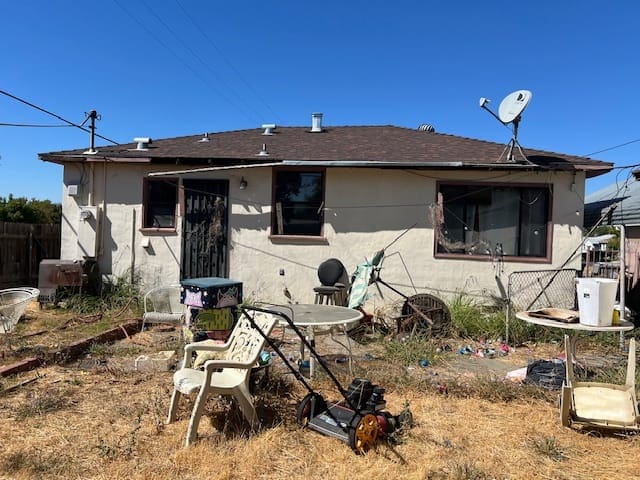
In late 2024, I purchased a probate property on 61st Street in Sacramento. The probate referee had valued the property at $266,000, and I agreed to pay the complete $266,000 appraised value.
I did not use the condition of the house, the remaining personal property or the executor’s location as reasons to renegotiate the price.
The executor’s sister had been occupying the property, and a considerable amount of furniture, household items and junk was left behind. Preparing the house for a traditional listing would have required several additional steps:
- Traveling to Sacramento or hiring someone locally
- Sorting through the remaining belongings
- Paying for dumpsters or a cleanout company
- Making decisions about repairs
- Finding and interviewing a real estate agent
- Preparing the home for photographs and showings
- Keeping the property available for buyer inspections
- Waiting for a financed buyer to complete the loan process
Because I purchased the property directly and as-is, the executor did not have to complete those tasks.
The family was able to leave the unwanted property inside the house. They did not repair, remodel, paint or clean the home. After the purchase closed, I became responsible for removing the remaining items and completing the necessary work.
This was especially helpful because the executor lived out of state. She could complete the transaction without repeatedly traveling to Sacramento to manage contractors, cleaners, showings and property access. Watch my youtube short showing the actual condition of this Sacramento probate property before I began cleaning it out. Watch here
Three Ways to Sell a Sacramento Probate Property
An executor will generally have several possible selling strategies. The best choice depends on the property’s condition, the estate’s timeline, the heirs’ priorities and the personal representative’s legal authority.
1. Repair the Property and List It on the MLS
One option is to repair and prepare the house before listing it with a real estate agent.
This approach may expose the property to a large number of buyers. However, it can also require the estate to spend money before the sale. The executor may need to coordinate:
- Cleaning and junk removal
- Landscaping
- Painting
- Flooring or other cosmetic work
- Plumbing, electrical or roof repairs
- Staging and photography
- Inspections and buyer-requested repairs
This process can be difficult when the estate has limited cash or the executor lives outside the area. The estate may also continue paying insurance, utilities, property taxes, mortgage payments and maintenance expenses while the work and listing are completed.
A probate-experienced real estate agent can also list the property in its current condition.
An as-is listing reduces the amount of preparation required, but the estate may still need to remove belongings, provide access for showings and inspections, review multiple offers and wait for the buyer’s financing.
Selling as-is also does not necessarily prevent a buyer from requesting repairs or a price reduction after an inspection. The executor should carefully review the contingencies and financing terms of each offer.
A direct cash sale may be appropriate when the property needs substantial work, contains unwanted belongings or must be sold without a lengthy preparation process.
A direct buyer may be able to purchase the house:
- Without repairs
- Without professional cleaning
- Without staging
- Without an MLS listing
- Without repeated public showings
- With unwanted furniture and debris still inside
- On a closing schedule selected with the estate
A direct sale will not be right for every estate. The executor still needs to evaluate the price and terms, comply with the probate court’s requirements and act in the estate’s best interests.
The main advantage is convenience. Instead of managing a renovation and public listing, the personal representative may be able to sell the property in its current condition.
Steps in a Sacramento Probate Home Sale
Although every estate is different, a probate sale commonly includes the following stages.
1. Open the Probate Case
The person named in the will—or another interested person when necessary—petitions the appropriate Superior Court. The court determines who will serve as the estate’s personal representative.
2. Receive Authority to Act
After the appointment, the court issues Letters establishing the personal representative’s authority. The Letters and court order should be reviewed to determine whether the representative has full IAEA authority, limited authority or another restriction affecting the sale.
3. Complete the Inventory and Appraisal
Estate assets must be identified and valued. A probate referee may appraise the real estate and other qualifying property.
4. Decide How to Sell the House
The executor and heirs can consider the available options, including making repairs, listing as-is or requesting a direct cash offer.
Important factors include:
- The probable net proceeds
- Repair and cleanout expenses
- Real estate commissions
- Holding costs
- The risk of buyer financing problems
- The desired closing date
- The executor’s ability to manage the property
- The requirements imposed by the court
The highest advertised price is not always the same as the highest net amount to the estate. Expenses, commissions, credits, repairs and months of carrying costs should be included when comparing offers.
5. Accept an Offer and Provide Required Notice
The personal representative must follow the applicable probate procedures. This may include providing a Notice of Proposed Action to beneficiaries or filing a petition asking the court to confirm the sale.
6. Obtain Court Confirmation When Required
When court confirmation is necessary, the personal representative reports the proposed sale and asks the court to approve it. California provides a specific Report of Sale and Petition for Order Confirming Sale of Real Property for this purpose.
Additional bidding may be possible at a confirmation hearing. The probate attorney can explain the bidding formula, deposits and other hearing requirements.
7. Close the Sale
Once all required approvals and notices have been completed, the transaction can close through escrow. Mortgages, liens and approved sale expenses are generally handled through the closing process.
The remaining proceeds are retained by the estate and ultimately distributed according to the court-approved administration of the estate.
Selling When the Executor Lives Outside Sacramento
An out-of-state executor may find it particularly challenging to manage a Sacramento property.
Tasks that seem simple can become expensive and time-consuming when they must be handled remotely. These tasks may include:
- Securing the property
- Changing locks
- Maintaining insurance
- Arranging yard care
- Removing personal belongings
- Meeting repair contractors
- Providing access to agents and buyers
- Responding to code or maintenance problems
- Checking for leaks, vandalism or unauthorized occupants
A direct as-is sale can reduce many of these responsibilities. In the 61st Street probate sale, the executor did not have to travel to Sacramento to empty and prepare the house. I purchased it with the remaining items inside and handled the work after closing.
Does a Probate House Have to Be Cleaned Out Before It Is Sold?
No. A probate property does not always have to be completely emptied before it can be sold.
A traditional retail buyer may expect the house, garage and yard to be cleared before possession. A direct buyer may agree in writing to accept the property with unwanted belongings still present.
The purchase agreement should clearly state:
- Whether the property is being sold as-is
- Which belongings the family intends to keep
- What may remain after closing
- Who will be responsible for the cleanout
- When possession will be delivered
Family photographs, financial documents, jewelry, firearms, medications and other sensitive or valuable items should be removed or handled appropriately before the sale.
Questions to Ask a Sacramento Cash Buyer
Before accepting a direct offer, an executor should ask:
- Are you purchasing the property yourself?
- Can you provide evidence that funds are available?
- Is the purchase dependent on obtaining a loan?
- Are there inspection or appraisal contingencies?
- Will you accept the house in its present condition?
- Can furniture, debris and unwanted items remain?
- Who pays the ordinary closing costs?
- Are there commissions or assignment fees?
- Can the closing date be adjusted to fit the probate process?
- Have you purchased probate or inherited properties before?
The executor and probate attorney should review the complete written agreement rather than relying on verbal promises.
Frequently Asked Questions About Sacramento Probate Home Sales
Can an executor sell a Sacramento house before probate is completed?
A property may often be sold while the probate case is still open, provided the personal representative has been appointed and follows the authority, notice and approval requirements applicable to the estate. The estate normally receives and holds the proceeds after closing.
Does every probate sale require a court hearing?
No. A personal representative granted sufficient authority under IAEA may be able to complete a sale without a court-confirmation hearing after following the required notice procedures. Limited authority, objections or other circumstances may require a hearing.
Can an heir living in the house prevent a sale?
Occupancy can complicate a sale, but it does not necessarily prevent the estate from selling the property. The personal representative should obtain legal advice before taking action involving an occupant.
Get an As-Is Offer for a Sacramento Probate House
Selling a probate property does not have to begin with repairs, dumpsters, contractors and months of preparation.
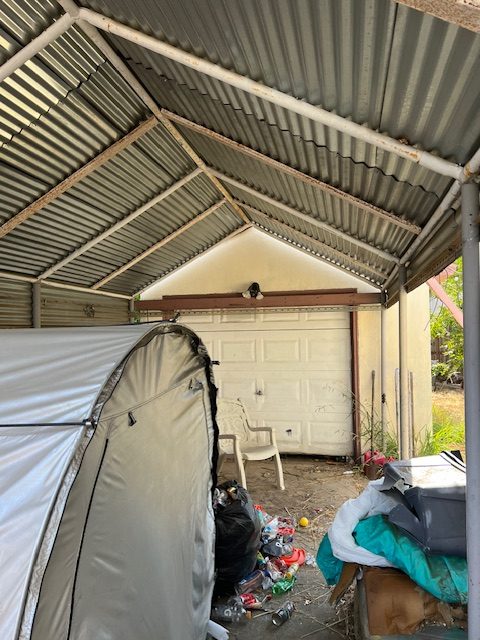
I purchase houses directly throughout the Sacramento area, including properties that need repairs or still contain furniture and unwanted belongings. As demonstrated by the 61st Street probate purchase, I can evaluate a home in its current condition and make an offer without requiring the family to renovate or clean it first.
There is no obligation to accept an offer. You can compare a direct as-is sale with the cost and expected net proceeds of listing the property.
Call Gordon Cuffe at 916-261-2381 to discuss the property and request an as-is cash offer. Learn more about how I buy houses for cash in Sacramento, including probate properties that need repairs or still contain unwanted belongs.
This article provides general information and is not legal, tax or accounting advice. Probate procedures vary depending on the estate, the court’s orders and the authority granted to the personal representative. Consult a qualified California probate attorney and tax professional regarding your particular situation.